
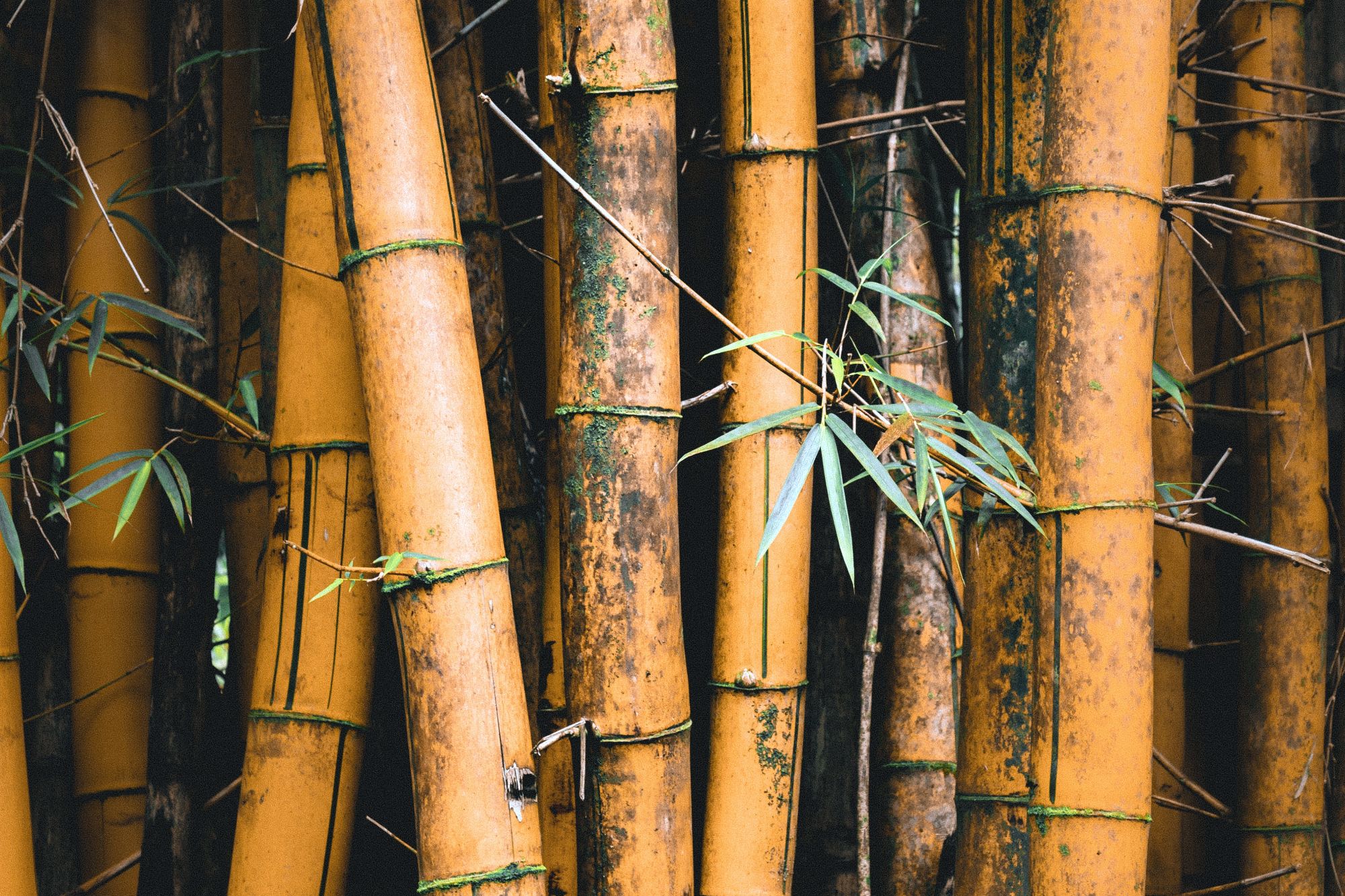
You’re aware by now that bamboo is an incredibly sustainable crop. It grows quickly without fertilizers, regenerates itself, and absorbs an amazing amount of carbon from the atmosphere. But have you ever considered where bamboo comes from and who manages bamboo harvest and production?
The $53 billion bamboo industry is supported by many small, rural farms. Ethical brands look for sustainable farms to work with that put the environment and welfare of workers above their profits.
It's important to buy from brands that work with these farmers, because of the opportunities they create for rural communities.
Where Is Bamboo Grown?
Bamboo is native to tropical and sub-tropical climates with high heat and humidity. Most commercial bamboo is grown in Southeast Asia with 80% of the world's bamboo production coming from China. Bamboo production is worldwide with products being produced on all continents except Antarctica.
The US is the largest importer of bamboo because large-scale bamboo farms are not likely to be found in the US where the climate is not ideal. There are some small-scale bamboo farms in the southwest United States that produce bamboo to use as building materials and fuel. This means the US relies heavily on bamboo farms overseas.
Is Bamboo Farming Good for the Environment?
Bamboo farms need to be carefully managed and harvested to be sustainable. The most sustainable harvest practices use hand tools to select the highest quality bamboo plants. This allows the younger poles to harden into better poles for production. As the healthiest poles are harvested, the bamboo plant will regenerate and new bamboo shoots will take their place.
Unlike other crops, bamboo grows very quickly without the use of pesticides or fertilizers and releases 35% more oxygen than trees. Products made from pure bamboo are compostable and help reduce the 300 million tonnes of plastic waste produced each year.
Because it can grow in poor soil conditions, it’s ideal for planting on abandoned farms, landfills, and hillsides where other crops won’t grow. Even better, bamboo turns these areas into a literal carbon sink. A single tropical bamboo plant will absorb two tons of carbon dioxide in seven years. A hardwood tree takes 40 years to absorb just one ton.
There have been concerns that the increased popularity of bamboo will have farmers looking for less sustainable ways to increase their harvest like using pesticides. Some also may be tempted by the quick profits to clearcut forests and grow more bamboo. Fortunately, there are organizations committed to the development of a sustainable bamboo industry like the International Bamboo and Rattan Organization (INBAR). INBAR is an intergovernmental organization that promotes sustainable practices for the bamboo industry. They focus on ending poverty, efficient use of natural resources, and addressing climate change.
Bamboo Transportation and Imports
A common concern about bamboo production is the impact on the environment when it’s imported.
While there are some small bamboo farms located in North America and Europe, bamboo can’t be sustainably grown there on a large scale. This means almost most of our bamboo has to be imported which requires more fuel.
According to the Department of Energy, however, fuel use for bringing bamboo from Asia to the west coast of the United States is equal to shipping timber coast to coast in the US. So, importing bamboo doesn’t appear to have a greater impact on the environment.
There are situations when bamboo isn’t the most sustainable material due to the long distance it needs to travel. It’s always best to research local options first. Having your items travel shorter distances may be the best environmental option.
Impact of Bamboo Farms on Pandas
Roly-poly pandas might be the first thing that comes to mind when you think of bamboo. A concern you might have about bamboo production is, “What will the pandas eat if we start using all the bamboo?”
Rest easy, friend. The species of bamboo used in construction is different than what pandas eat for dinner. The majority of bamboo harvested is grown on controlled farms so producers are not taking wild harvests. Even if products use the bamboo that pandas rely on for food, bamboo grows so quickly that there is plenty available for them to eat.
While we aren’t taking their food supply we still need to be aware of where materials are coming from. Road building, farming expansion, and deforestation are the top three threats to panda habitat. If we aren’t conscious consumers, panda homes (along with many other species) can be affected by bamboo farming and other industries.
How Does Bamboo Support Rural Farms?
Bamboo has become a reliable source of income for many rural communities that may otherwise struggle with poverty. According to the UN, 80% of the world’s poorest live in rural areas of developing countries. This is largely due to a lack of infrastructure so many people from rural communities are forced to migrate to cities to find steady employment. Bringing bamboo farming to small villages empowers farmers and helps end poverty for some communities.
Bamboo Farms Create Employment Opportunities
Bamboo farms create job opportunities in rural areas affected by unemployment. Agriculture is the main source of income in rural villages. Bamboo is an easy and profitable crop to grow for many families who have limited farmland.
Because bamboo farming only uses traditional hand tools for planting and harvesting, there is no need for farmers to invest in large equipment like they would for logging. Bamboo can be harvested every 3-4 years so this creates a very consistent income for farmers in otherwise struggling regions.
The bamboo harvested can be used for raw materials, animal feed, and even fuel. Products and raw materials can be sold at local markets which gives farmers a variety of options to increase their income. In Vietnam, bamboo shoots are a primary source of income because they are used as a food source during the pre-harvest season of other crops. Currently, 60% of the value of bamboo production goes right back into the pocket of the farmers who grew it.
As the demand for bamboo continues to grow, so do the opportunities for these rural farmers.
Bamboo Grows on Degraded Land and Prevents Soil Erosion
Bamboo can be planted on land not suitable for other crops. Even areas devastated by fire or flood can be ideal for growing bamboo. This is a huge advantage for rural farmers whose land might not be level or fertile. Bamboo has an incredibly strong root system so once it’s established, it can produce high-quality crops year after year.
The strong root system also helps with soil erosion. This is helpful to farmers who also have other crops as bamboo helps prevent the land from being washed away during heavy rainfall. Bamboo also holds the topsoil in place and, as bamboo leaves fall and decompose, they create even more nutrient-dense topsoil.
Bamboo Farms Improve Local Environments
With bamboo being so easy to grow on otherwise desolate lands, farmers are under less economic pressure to exploit tropical forests or use unsustainable farming practices.
Sustainable bamboo farmers are proud of the positive impact they’re having on the planet. In an interview with the World Wildlife Fund, farm owner